How to survive as a solo player in Rust and turn a small base into a revenge raid machine
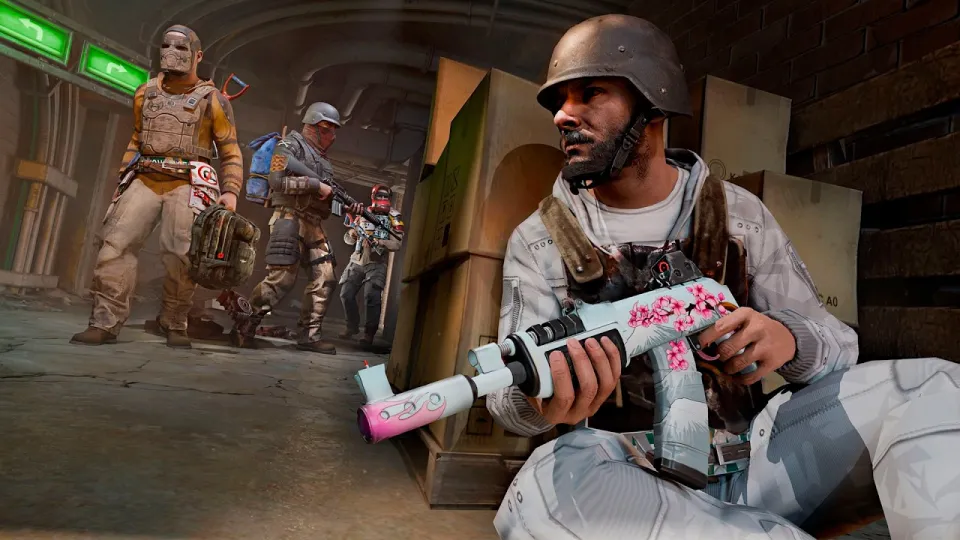
Video: THE SOLO MENACE – Rust
Want articles like this for your own video to promote it on YouTube and Google? Order them through the Telegram bot @sat_sit_bot. The bot writes and publishes the articles itself (with your YouTube video embedded) on popular topical websites (no ads). Try it free: 50 articles on us.
· based on the channel SPiiCY
Rust solo survival comes down to three things: a base small enough to keep running alone, a farming routine that never leaves you broke, and the patience to pick fights you can actually win. That is the formula behind SPiiCY's solo run, where one player builds, defends and then raids back against groups that outnumber him. If you want a faster start, grab the RustEasy bonus via SPiiCY before you plan your first wipe.
What makes a solo player a menace in Rust
A solo player becomes dangerous not through raw aim but through consistency: he keeps his base alive, keeps his loot moving and never gives a group a free raid. In a solo run the biggest enemy is not the zerg at your door, it is the second base you cannot afford to upkeep, the loot room you filled with gear you never use and the roam that ends with your only kit in someone else's box.
Solo play on high-population servers means accepting that you will lose fights. The players who come out ahead are the ones who treat every loss as a cost they already budgeted for. Keep one core kit, one backup kit and a stash of components for rebuilding doors; anything beyond that should be converted into raid tools or traded away.
Building a solo base that survives a zerg
The core rule of solo base design is that one hard chokepoint beats five soft loot rooms. A compact footprint with a single entrance, an airlock and a shooting floor above the door forces attackers into a predictable path, which is exactly where your traps and turrets should sit.
- Choose a location with a natural approach: a rock formation, a cliff edge or a dense forest line that hides your door from the road.
- Keep the footprint small enough that stone or metal upkeep stays under a single farming session per day.
- Build the entrance as a layered airlock with at least two doors, and put the loot behind a separate honeycomb wall rather than directly behind the front door.
- Place a small furnace or crafting area near the door so you always have something to do while listening for raid sounds.
- Add one trap element, such as a shotgun trap or a flame turret, angled at the door rather than at the entrance corridor.
A trap base variant works well for solos who like baiting: a visible, slightly weak-looking door invites a raid, and the real loot sits two walls deeper. The trade-off is that trap bases attract attention, so keep the actual value low and the revenge potential high.
How to farm and progress without a team
Solo progression in Rust is a scrap economy, not a loot economy. Every run should have a purpose: a monument run for components, a node run for stone and metal, or a recycle run to convert junk into scrap for blueprints. Doing all three in one trip usually means losing all three.
- Farm nodes close to base first and expand the radius only when the immediate area is stripped.
- Recycle low-value components early; holding them for a future craft is how solo boxes fill with useless weight.
- Prioritise blueprints that unlock raiding tools over cosmetic or luxury items.
- Keep a small stash of explosive components in a separate, less obvious box so a single raid does not end your wipe.
- Use performance tools such as the Hypertune FPS optimiser that SPiiCY promotes, since frame drops in a zerg fight cost kits.
Solo players also benefit from timing: farming during quiet server hours and raiding when groups are offline gives you the same result with far less risk.
Defending a solo base against groups
Defence starts before the raid: know your own exits, keep a kit in a stash outside the main loot room and have a plan for spawning back into the fight. When attackers arrive, the goal is not to kill everyone, it is to make the raid expensive enough that they leave.
- Fight from inside the base first; door peeks and shooting floor angles are safer than open ground.
- Repair damaged walls during lulls instead of chasing attackers into the open.
- Use traps to slow the breach, not to get kills; time is the resource you are buying.
- If the raid is clearly lost, move what you can to a backup stash and let the base go rather than feeding kits one by one.
A group that loses two or three players to a solo defender often abandons the raid entirely, because their time is worth more than your loot.
Turning a wipe into a revenge raid
Revenge raids are the payoff of solo play, and they work best when they are planned rather than emotional. After a raid on your base, the attackers usually leave a trail: a nearby compound, a familiar clan tag, a turret placed in a hurry.
- Scout the suspected base for at least one full day cycle and note door types, turret coverage and when players are online.
- Count the exact cost of the raid: satchels, explosive ammo or rockets, plus the time to craft them.
- Target the cheapest path to loot, usually a side wall or a roof, rather than the main entrance.
- Raid offline if you want the loot, online if you want the fight; a solo player rarely wins both.
- Take only what you can carry and destroy the rest so the group cannot rebuild quickly.
SPiiCY's solo run follows exactly this arc: absorb pressure, rebuild, then return the favour with interest. That is what viewers respond to when they call the playstyle a menace.
Questions solo players ask most
Solo players watching this kind of run tend to ask the same practical things. The most common is how a creator finds fights on a 600-population server when the map feels empty: the answer is usually monument timing and roaming between known hot spots rather than random running. The second is whether the base design from the video is available as a tutorial, since a compact solo base is the difference between surviving a wipe and losing everything overnight. The third is whether performance tools actually matter, and for players fighting groups on high pop, stable frames are worth more than a marginal aim improvement.
Links from the video
- RustEasy bonus and registration: https://rseasy.com/spiicy
- Base design tutorials and Patreon membership: https://www.patreon.com/c/spiicyrust/membership
- Patreon join page: https://www.patreon.com/join/spiicyrust
- Hypertune FPS optimiser: https://hptn.gg/spiicy
- Community Discord: http://discord.gg/HZjW3RYMGA
Final thoughts on the solo menace playstyle
Solo Rust is a discipline of small decisions: a base you can upkeep, a farm route you can repeat and a fight you chose rather than stumbled into. The revenge raid at the end of a wipe is not luck, it is the result of keeping enough resources and enough patience to hit back once. SPiiCY's breakdown of the solo menace run is a useful template for anyone tired of dying to groups, and the RustEasy bonus link is the fastest way to start the next wipe with an edge.
Key takeaways
- SPiiCY's solo run shows a single player holding a wipe against clans and zergs without a team.
- A solo base should be small, cheap to upkeep and built around one chokepoint rather than many loot rooms.
- Solo progression in Rust depends on farm efficiency: every scrap and node should feed the next raid, not a second base.
- Revenge raids work best when the target is scouted first: note door types, turret placement and online hours.
- Tools like RustEasy and Hypertune are used by creators to speed up base building and stabilise FPS in large fights.
Source: THE SOLO MENACE – Rust · Markdown version
Questions & answers
Is it possible to play Rust solo against clans and zergs?
Yes, but the approach has to change. Solo players win by keeping a small, cheap base, farming in short purposeful trips and choosing fights instead of accepting them. Groups have more players but also more upkeep and more loot to lose, which is why a well-planned revenge raid can hurt them far more than it hurts you.
What is the best base design for a solo player in Rust?
A compact base with a single layered entrance, an airlock and a shooting floor above the door. Keep the footprint small so stone or metal upkeep stays manageable in one farming session, and put the real loot behind an extra honeycomb wall rather than directly behind the front door. Trap elements should cover the door, not the corridor.
How do you find fights on a high-population Rust server as a solo?
Roam between known hot spots and time your runs around monument activity rather than running randomly. High-pop servers are busier at wipe day and during peak evening hours, so farming during quiet periods and roaming when monuments fill up gives you more encounters with less risk of being third-partied.
Do FPS tools like Hypertune really help in Rust PvP?
They help most in large fights where frame drops cost you the first shot. Players report noticeable FPS gains after tuning, and in a zerg fight stable frames matter more than a small aim improvement. Treat it as a performance baseline, not a substitute for practice.